Granite Hill Exploration
Navigate rugged tracks winding around volcanic granite kopjes, scanning rocky crevices and shaded boulder caves where leopards naturally seek refuge during daytime heat.
Learn More →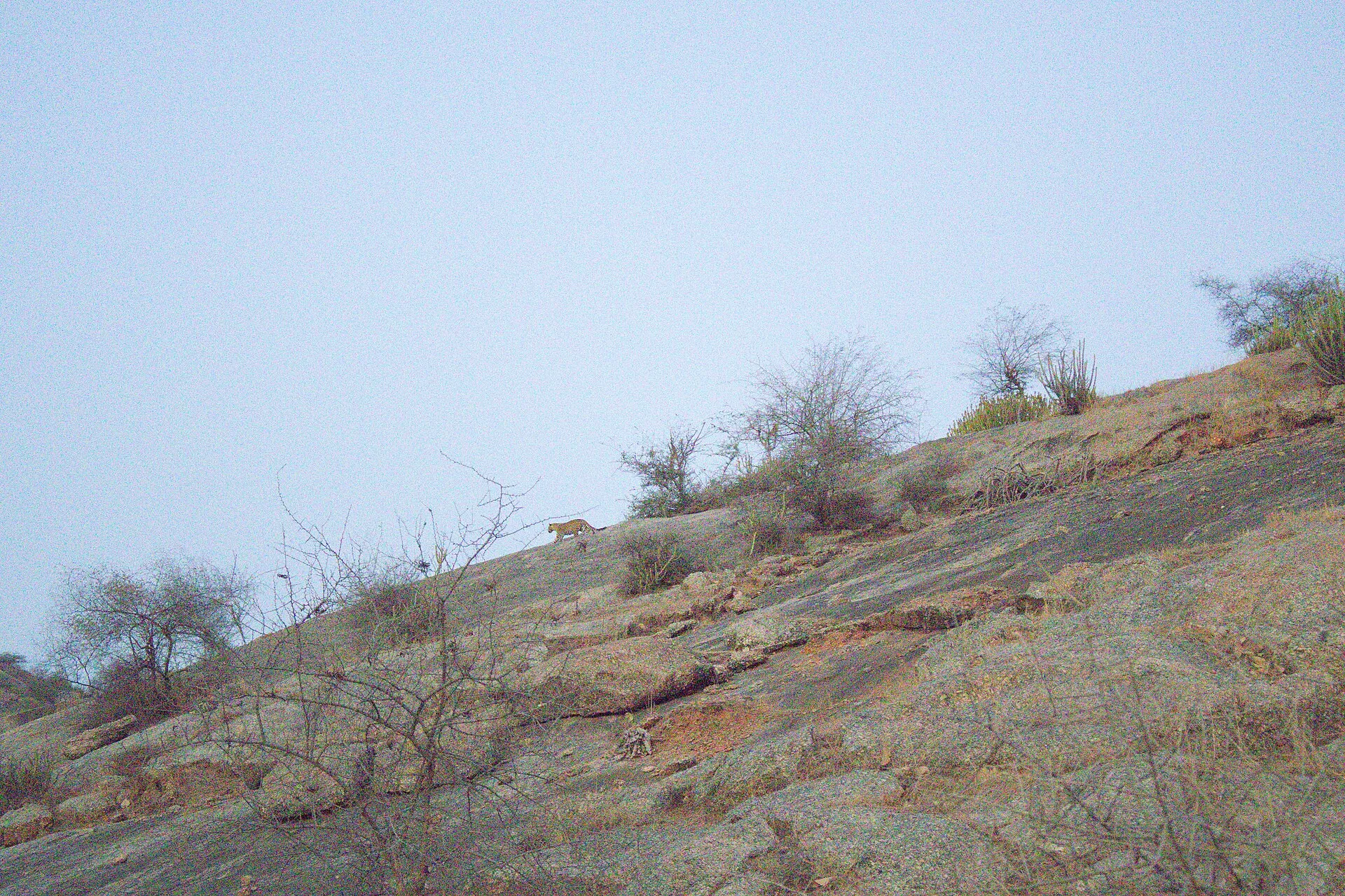
Discover the rugged landscapes and remarkable wildlife of Jawai, Rajasthan, with an unforgettable journey into nature.
Unlike the dense teak jungles of central India, Jawai presents a surreal, prehistoric terrain sculpted over hundreds of millions of years.
Here in the Pali district of western Rajasthan, towering granite boulders and naturally weathered rock caves provide an extraordinary natural sanctuary. The Indian leopard (Panthera pardus fusca) moves with effortless grace across these sheer rock faces, resting atop sunny ridges at dawn and dusk.
Complementing the rocky hills is the vast reservoir of Jawai Bandh, attracting migratory waterbirds and supporting resident marsh crocodiles, creating one of northern India’s most captivating natural ecosystems.
Read The Story of Jawai
Every journey through the Jawai wilderness offers a distinctive perspective on Rajasthan’s rugged landscapes, native fauna, and historic terrain.
Navigate rugged tracks winding around volcanic granite kopjes, scanning rocky crevices and shaded boulder caves where leopards naturally seek refuge during daytime heat.
Learn More →Explore the shores of the Jawai Bandh reservoir. The expansive water body sustains basking mugger crocodiles and welcomes migratory flamingos and waterfowl each winter.
Learn More →Witness golden hour across the Aravalli horizon. The play of light on pink and grey granite boulders provides extraordinary opportunities for nature photographers.
Learn More →
Leopard using the high vantage point of ancient granite rock formations to survey the surroundings.

A resident mugger crocodile basking along the sun-warmed rocky shoreline of the Jawai reservoir.

Seasonal migratory flamingos feeding quietly in the fertile wetland shallows around Jawai Bandh.
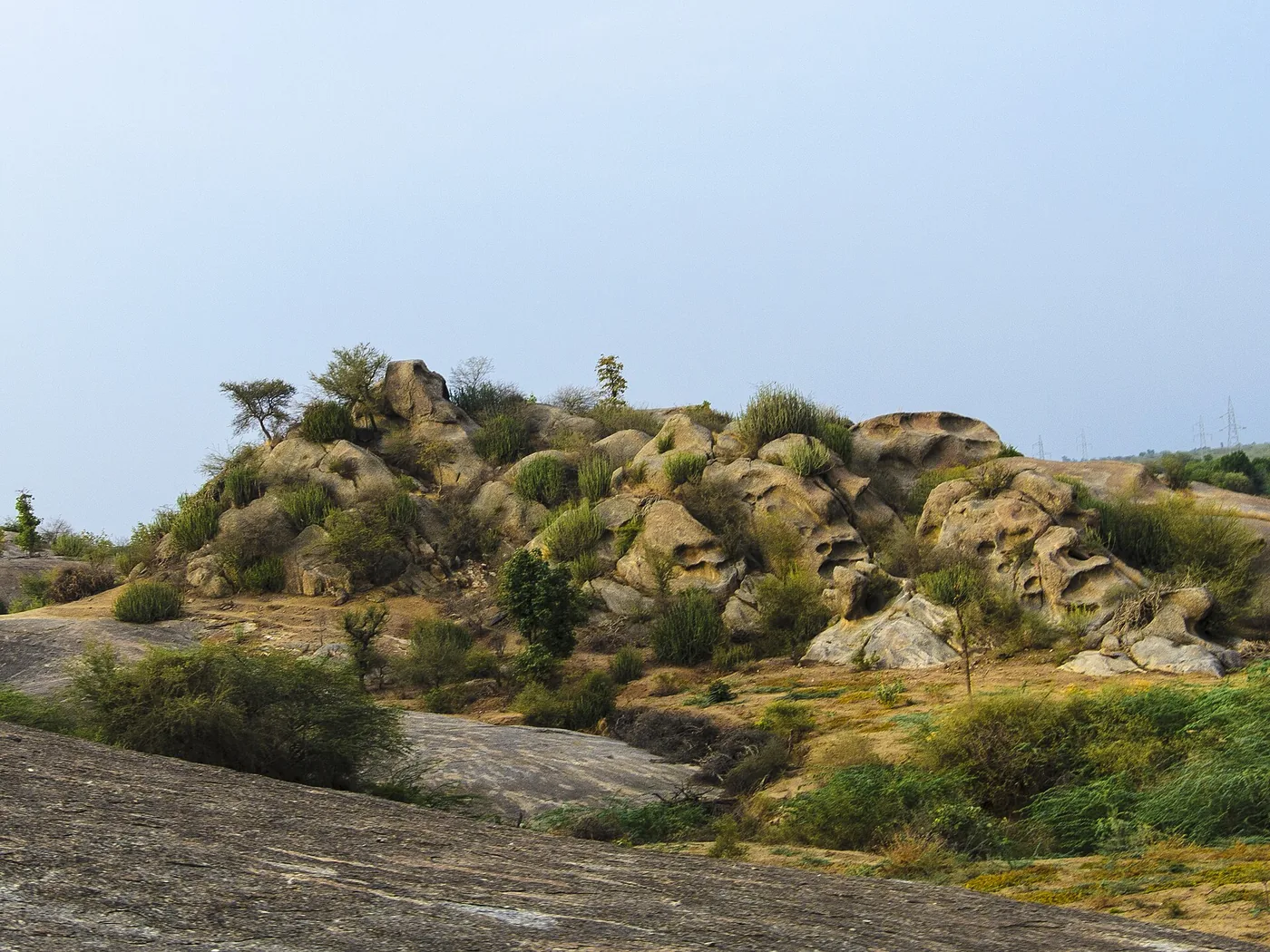
The dramatic rock hills of Jawai belong to the ancient Aravalli range—one of the oldest mountain systems on planet Earth.
Over billions of years of wind and water weathering, these plutonic igneous rocks cracked, rounded, and formed extensive cave networks known locally as magras. These natural shelters protect wildlife from the extreme desert heat and provide elevated platforms for leopards.
The absence of dense undergrowth affords unique visibility across open slopes, giving visitors a panoramic window into wild nature.
Discover The TerrainA tranquil sanctuary away from overcrowded tourist circuits, characterized by peaceful coexistence and dramatic wilderness.
The indigenous Rabari pastoralists have shared this rocky expanse with big cats for generations, fostering a profound ethos of mutual respect rarely seen elsewhere.
Over 100 species of resident and migratory birds congregate near Jawai Bandh, including bar-headed geese, sarus cranes, pelicans, and vibrant bee-eaters.
Unlike heavily congested national parks, Jawai offers an unhurried, serene journey through open pastoral valleys, historic temples, and quiet wilderness.
Key information to help you prepare for a memorable wilderness visit to western Rajasthan.
October to April offers mild days and cool evenings, ideal for exploring the granite hills and observing migratory birds at the dam.
Convenient rail connections at Jawai Bandh (JWB) and Falna (FA) stations. Seamlessly reachable by road from Udaipur (150 km) and Jodhpur (160 km).
Neutral-toned clothing, warm layers for chilly morning breezes, sturdy walking footwear, binoculars, and telephoto lenses for wildlife photography.
All photographs on this website are genuine field photographs captured in the Jawai region of Rajasthan, sourced under Creative Commons licenses via Wikimedia Commons. No AI generation was used.
| Image File | Subject & Location | Photographer | License |
|---|---|---|---|
| hero-leopard.jpg | Leopard on Jawai Hills at Dawn | Wikimedia Contributor | CC BY-SA 4.0 |
| jawai-leopard-01.jpg | Indian Leopard in Jawai Bandh | Tisha Mukherjee | CC BY-SA 4.0 |
| jawai-leopard-02.jpg | Leopard on Granite Formations | Tisha Mukherjee | CC BY-SA 4.0 |
| jawai-crocodile.jpg | Mugger Crocodile at Jawai Bandh | Tisha Mukherjee | CC BY-SA 4.0 |
| jawai-flamingos.jpg | Flamingos at Jawai Bera | Wikimedia Contributor | CC BY-SA 4.0 |
| jawai-hills-landscape.jpg | Aravalli Granite Formations | Wikimedia Contributor | CC BY-SA 4.0 |